
Community Voices in Action: Humboldt Families Turn Eight Months of Organizing into Public Commitments
It started at kitchen tables. Over eight months, True North Leaders sat down with immigrant and mixed-status families across Humboldt County, in living rooms and in small gatherings in people’s homes. They listened to one another’s stories, built relationships, and identified the concerns they shared. Families talked about a fear many of them were quietly carrying: the possibility of being separated from their children through immigration enforcement. They also talked about real uncertainty over what protections existed for their kids at school, and about wanting a plan for their families.
As one mother shared, "...just as we are taught how to prepare for earthquakes, tsunamis, and other emergencies, we must prepare for the possibility of being separated from our children."
Those conversations led to research. Following True North's organizing model, Leaders studied what state and local law already promises, including California's Values Act (SB 54) and Humboldt County's Sanctuary Ordinance (Measure K). They met with law enforcement officials, school superintendents and community partners to understand what protections already existed, where the gaps were, and what concrete commitments they could ask for.
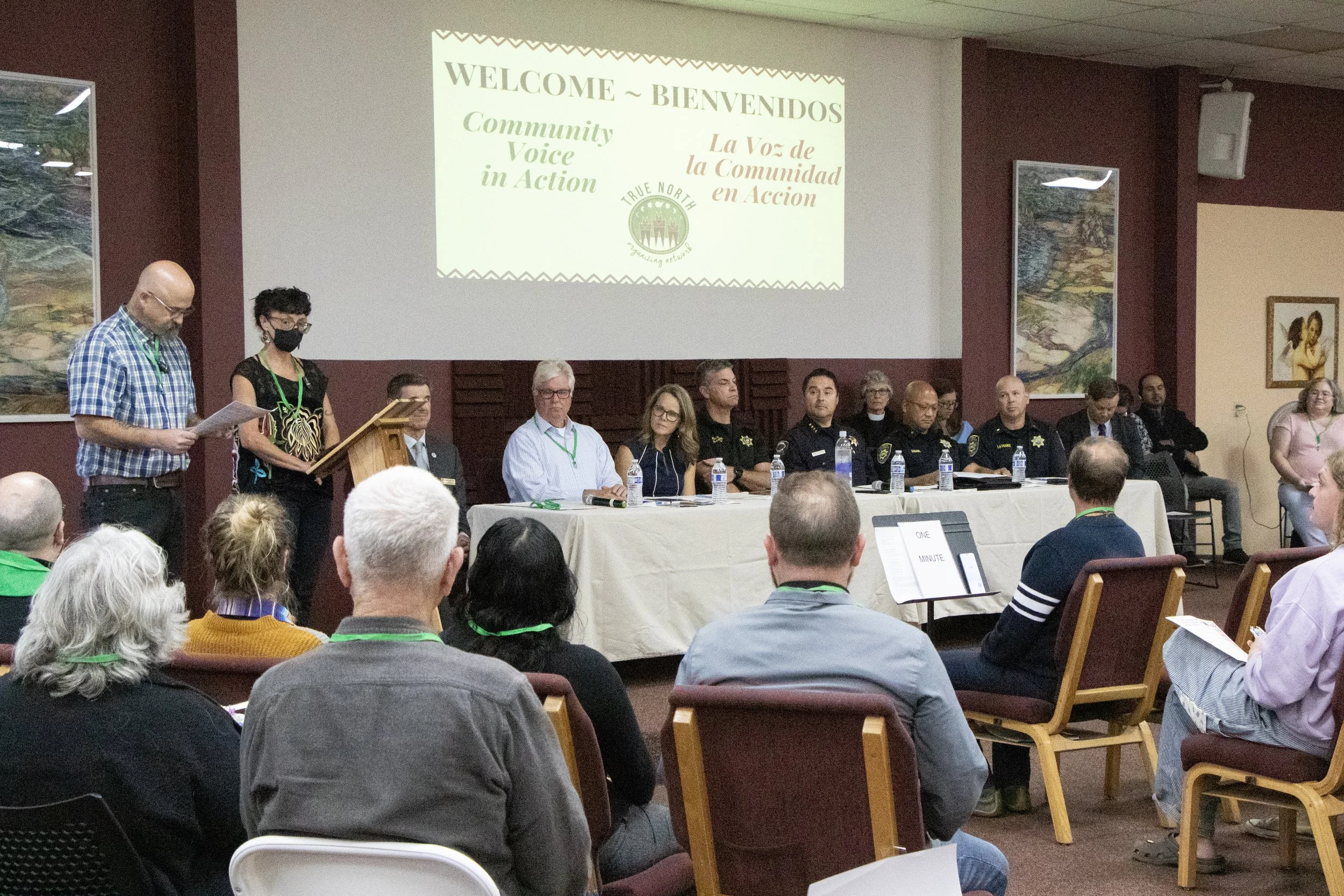
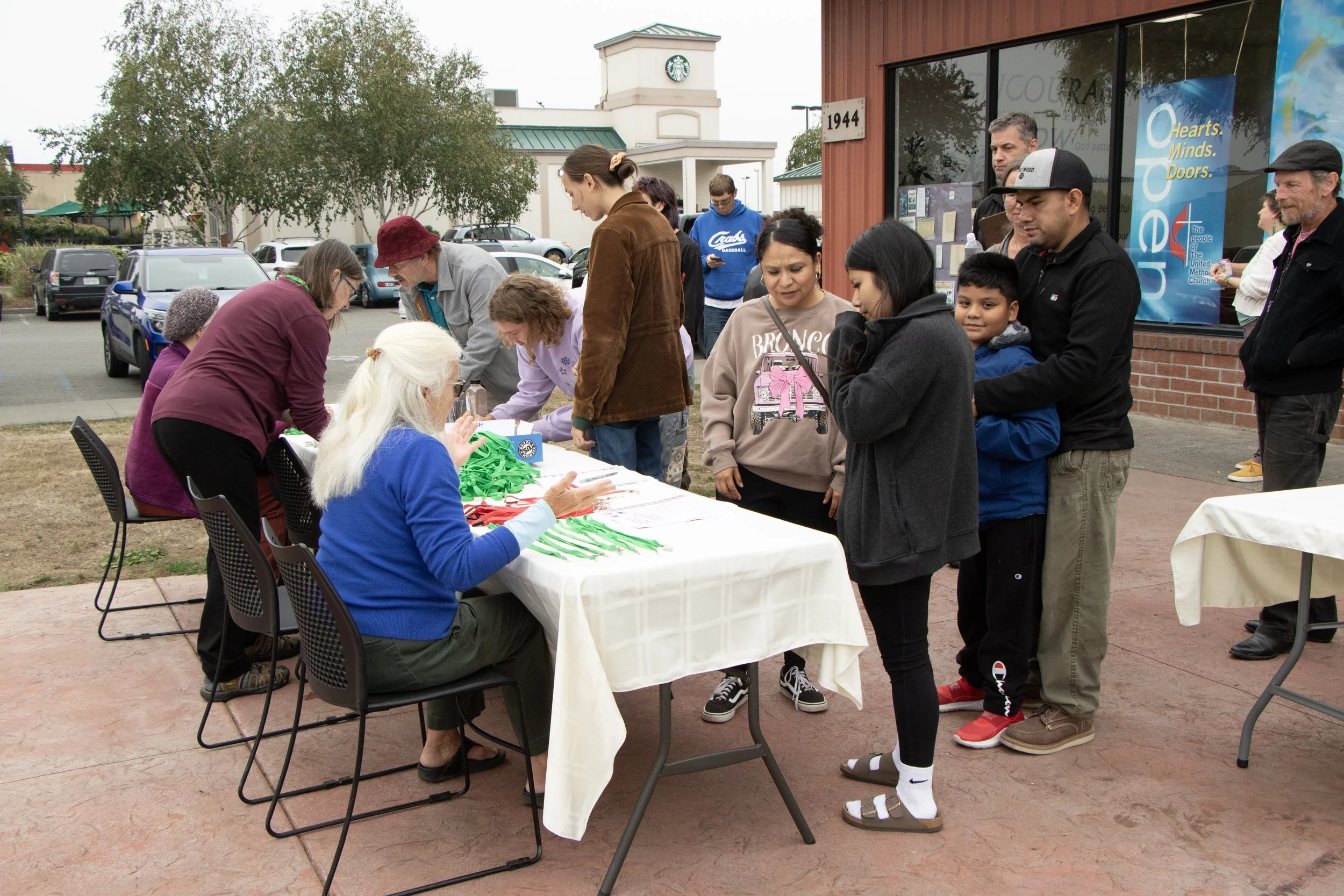
On Thursday, September 10, more than 200 community members filled the Church of the Joyful Healer in McKinleyville for Community Voices in Action, a public meeting organized and led by True North Leaders.
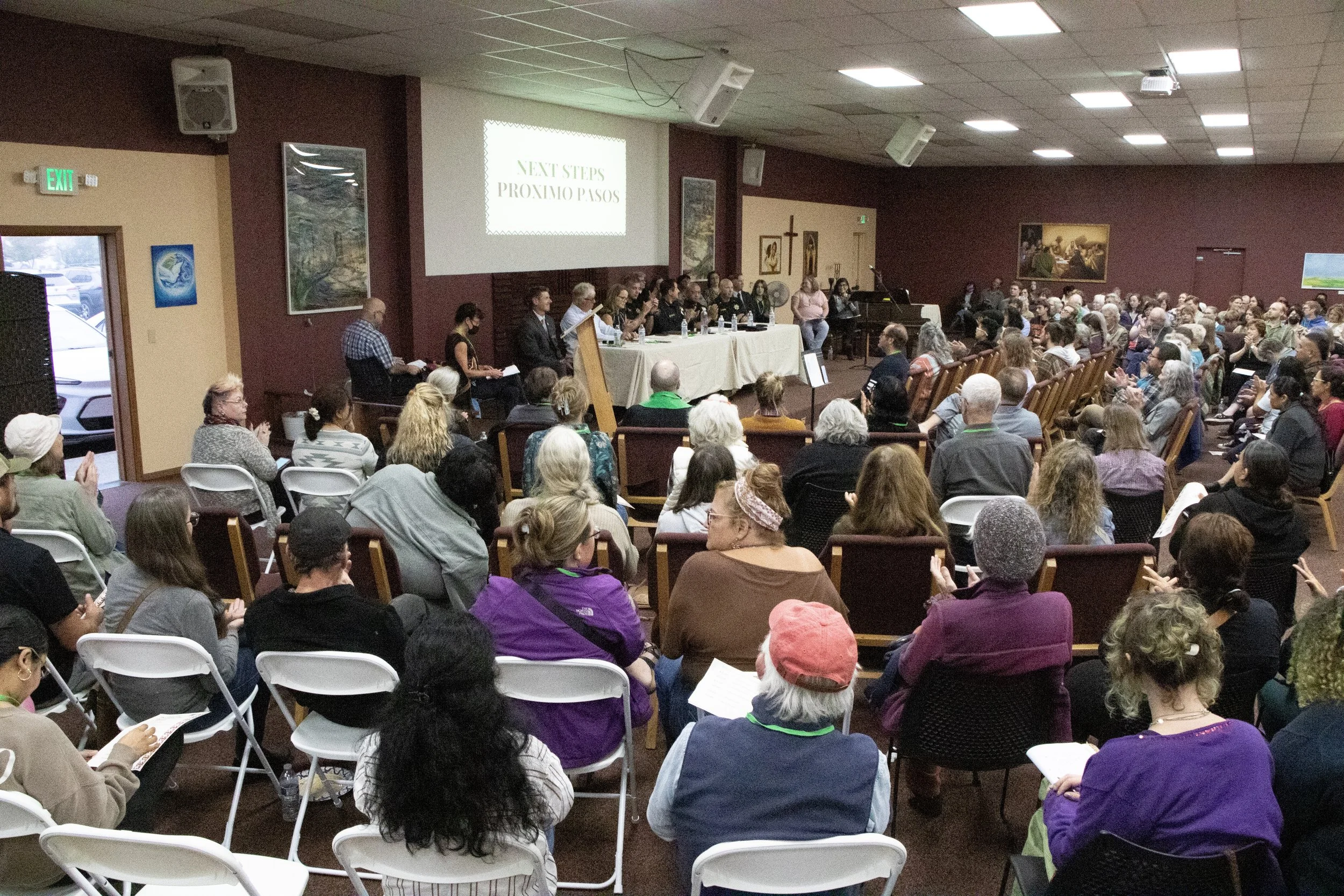
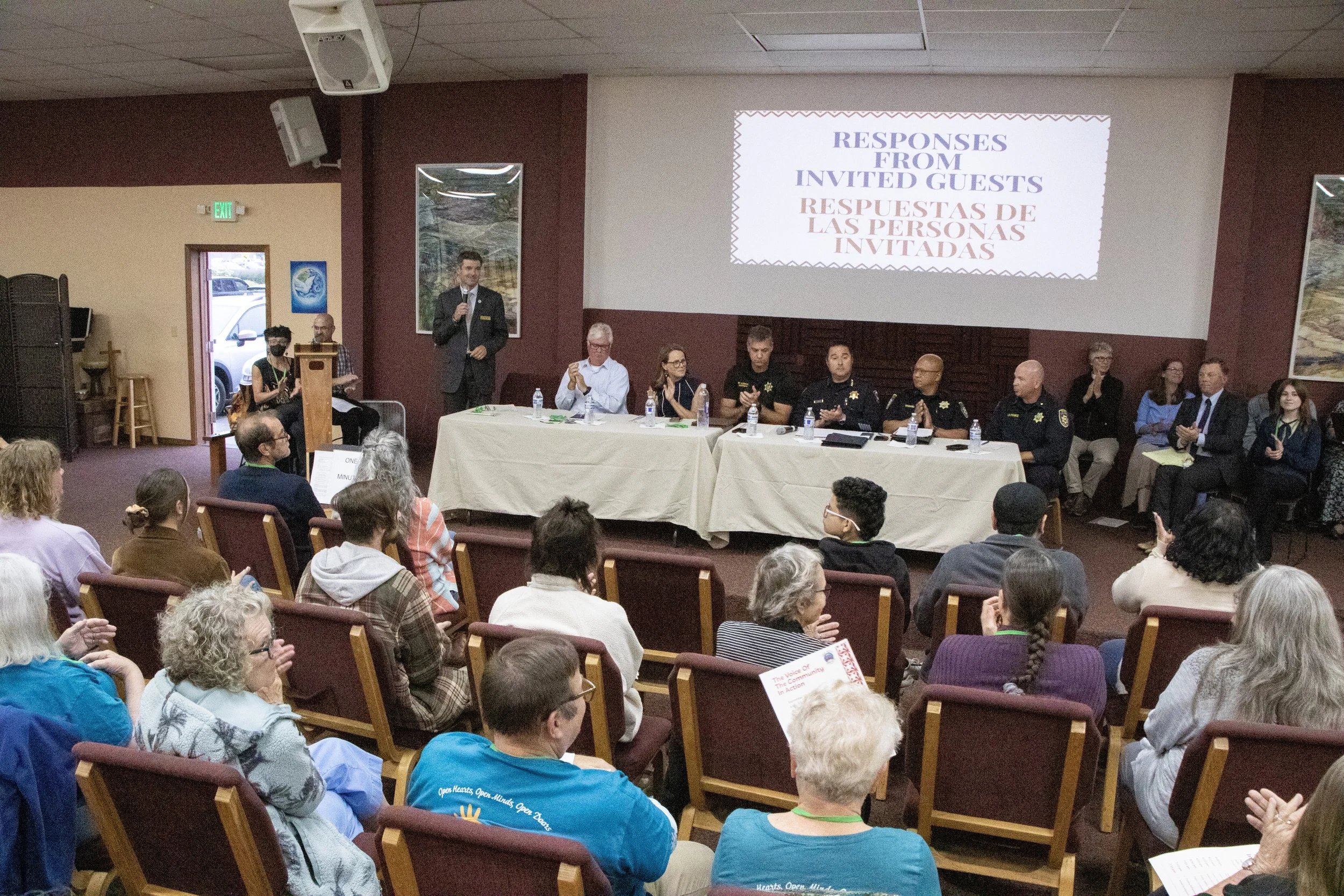
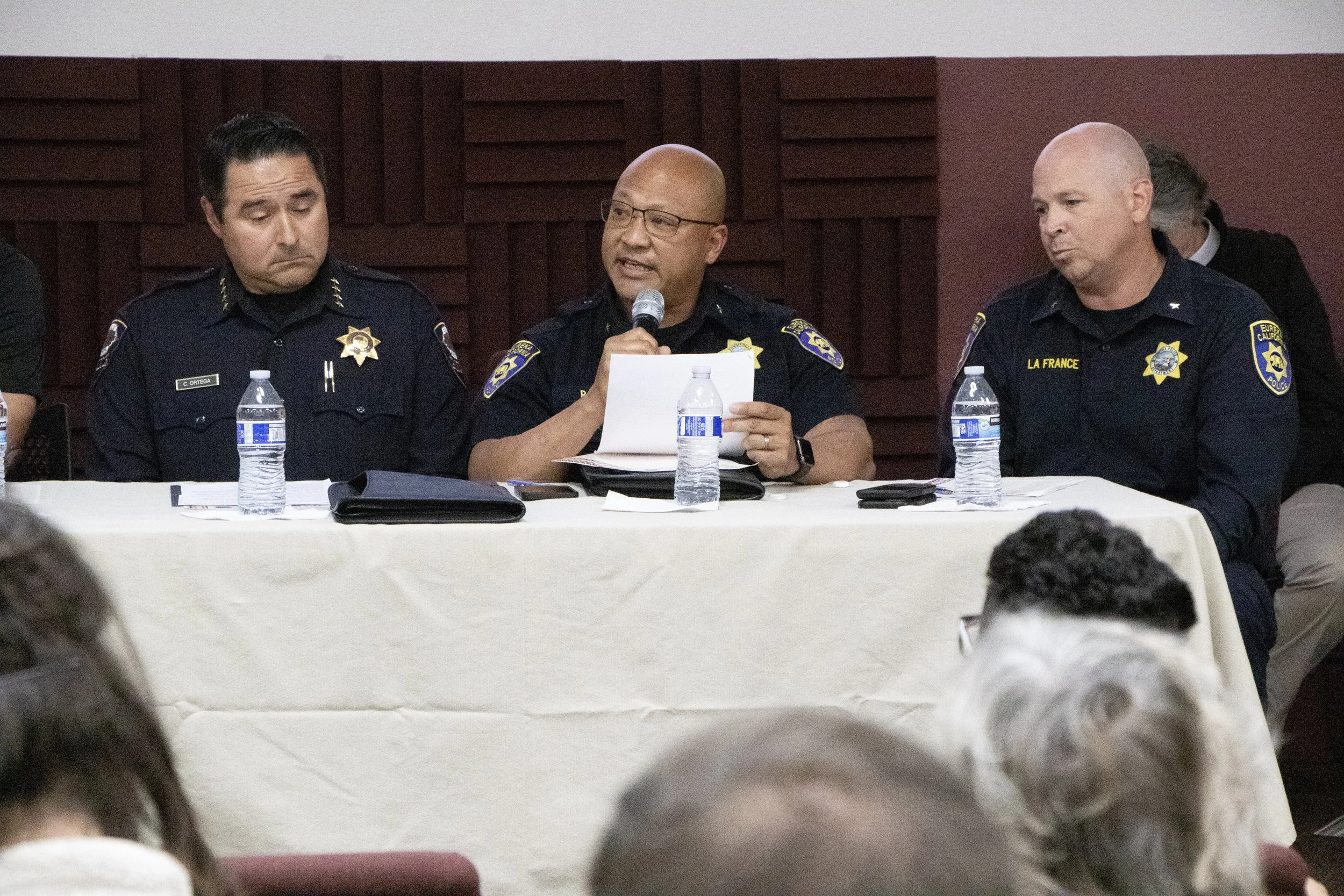
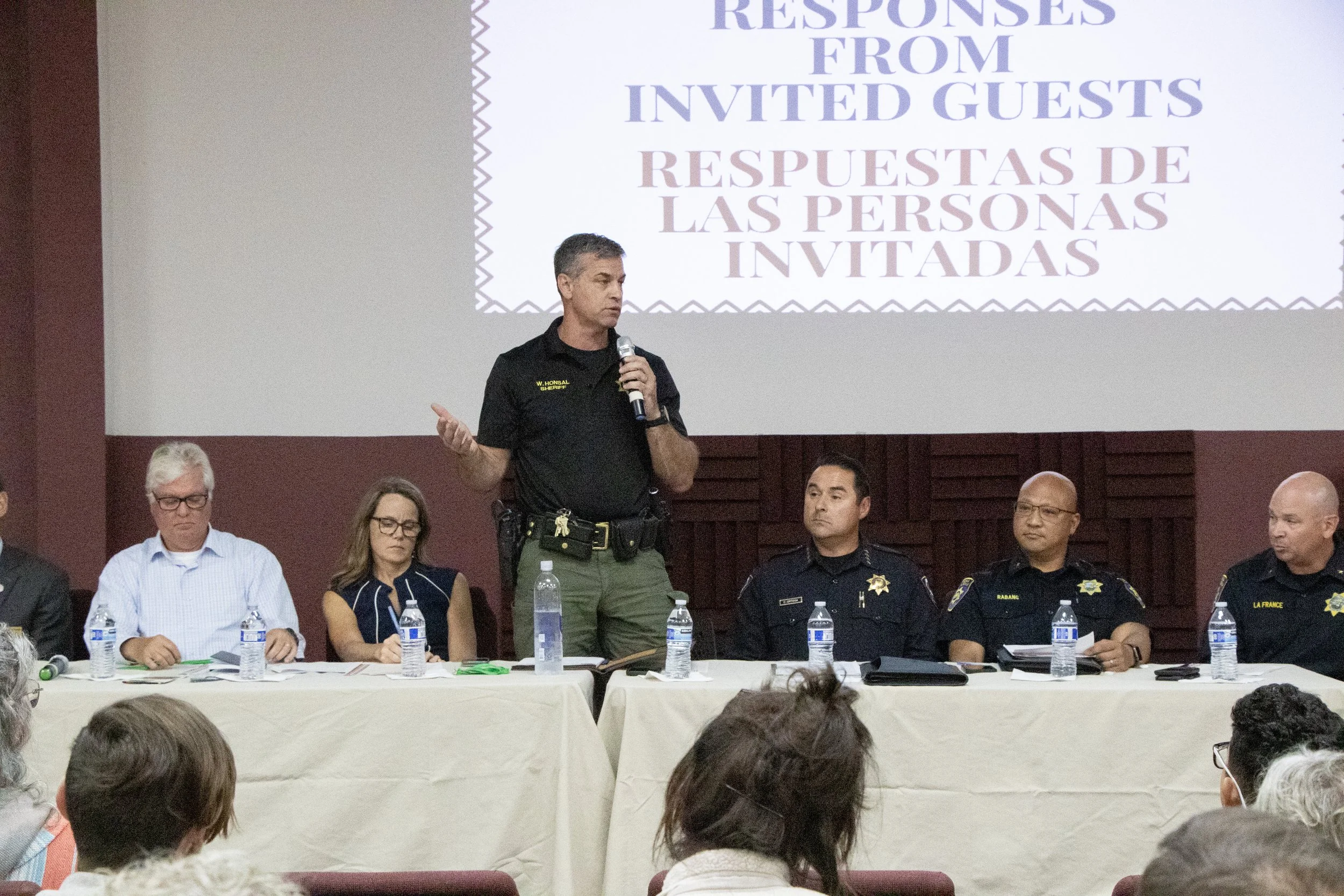
Participants included Arcata Police Chief Chris Ortega, Eureka Police Department Commanders Wayne Rabang and Leonard La France, Northern Humboldt Union High School District Superintendent Roger Macdonald, McKinleyville Union School District Superintendent Julie Giannini-Previde, and Humboldt County Superintendent of Schools Michael Davies-Hughes. Elected officials in attendance included First District Supervisor Rex Bohn, Fifth District Supervisor Steve Madrone, incoming Fifth District Supervisor Mary C. Burke, and Arcata Mayor Kimberley White. The Humboldt County Sheriff's Office was also engaged in the organizing effort.
Through personal testimony and the research they had gathered, Leaders called for public commitments. Community members spoke about what they were living with. "As a mother, I cannot imagine what my life would be like without my children," one woman said. "This is a very complicated and painful situation, and it is difficult to explain to children, no matter their age."
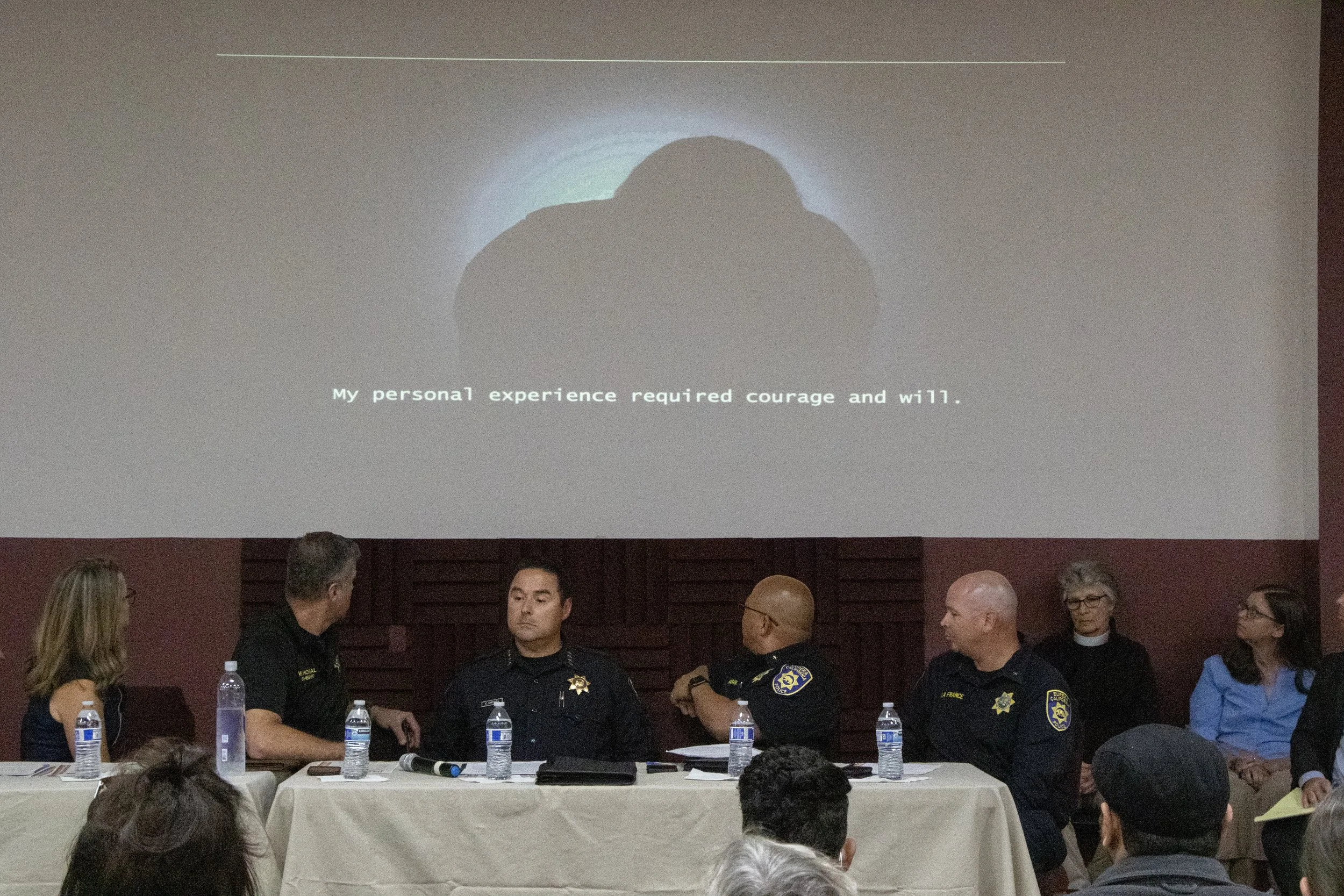
School leaders responded with specific commitments. Superintendent Macdonald said his district is "relatively uncooperative" with ICE, does not track immigration status, and has trained staff on how to respond if immigration officers arrive on campus.
Superintendent Giannini-Previde said her district has identified which public spaces on campus federal immigration officers can and cannot access, in line with state law. Superintendent Davies-Hughes committed county staff to work with True North on family preparedness workshops and to help parents plan who would care for their children if they were detained. Speaking as an immigrant himself, he added, "One thing I appreciate about education in California is, we don't ask questions. All students are welcome through our doors."
Law enforcement representatives affirmed their responsibility to uphold state and county sanctuary protections, confirming their departments do not use local resources or personnel to assist federal civil immigration enforcement. They were also direct about the limits of that promise. Under federal law, local police cannot interfere with federal immigration agents' activities, though they will continue to respond to any threat to public safety.
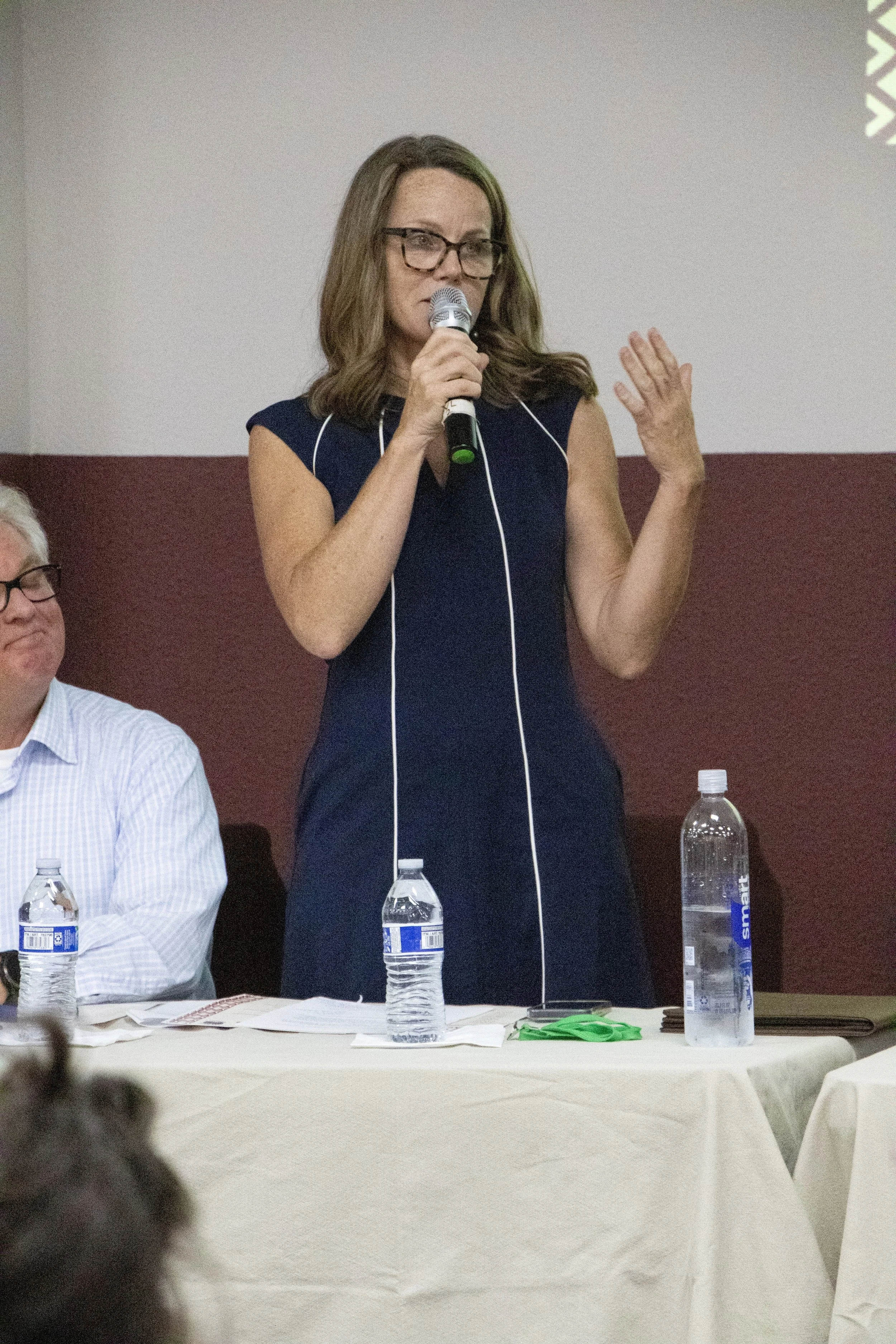
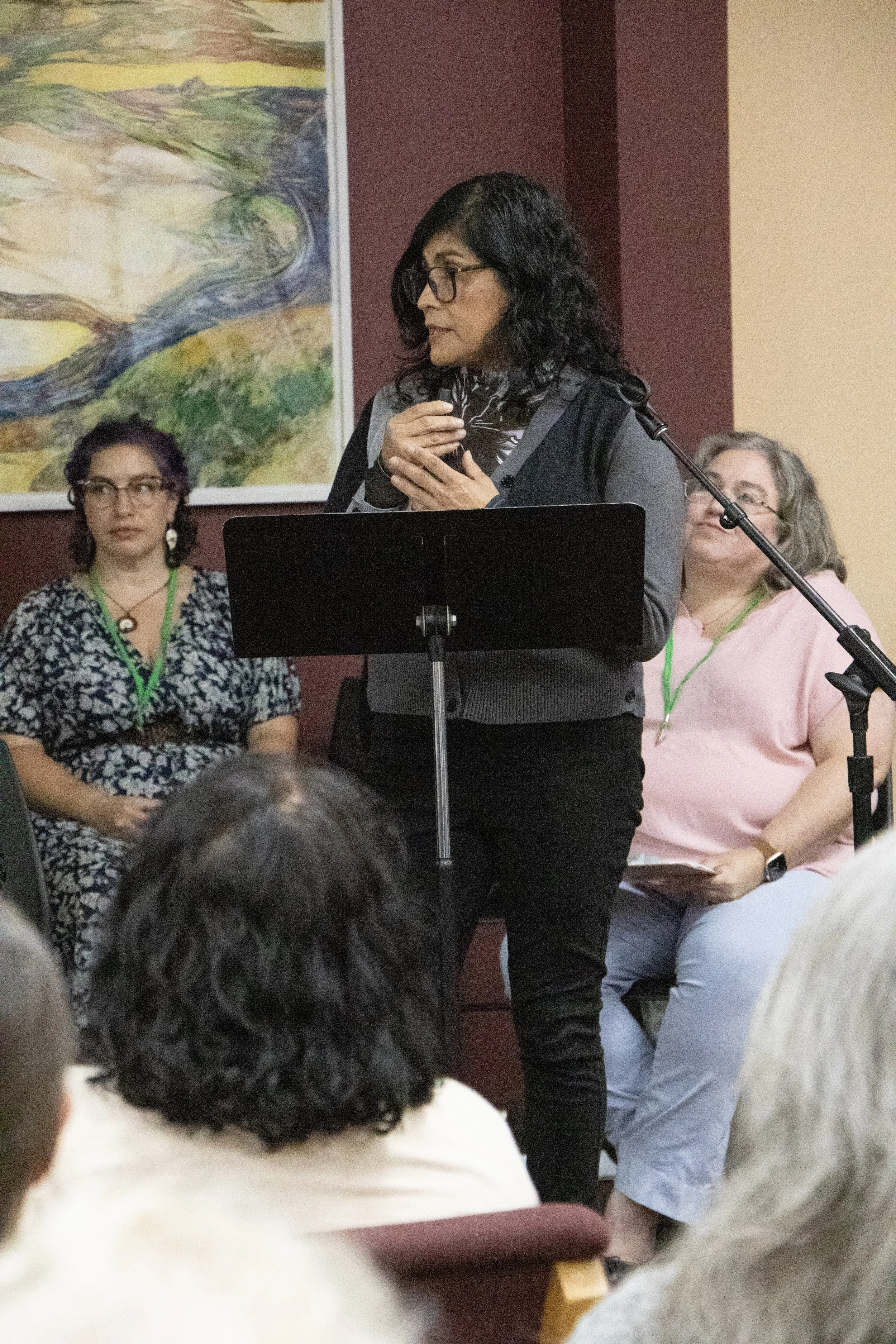
Leticia Padilla, a family support navigator with First 5 Humboldt, walked the room through California's Caregiver's Authorization Affidavit. The form lets a parent name a trusted caregiver in advance, without giving up parental rights, so that person can enroll a child in school or consent to medical care if the parent is suddenly detained. "If we, as school districts, as adults, as organizations, can relieve a little bit of that perpetuating trauma, it will be amazing," Padilla said. "Can you imagine if we can make children, immigrant children, have this sense of belonging?"
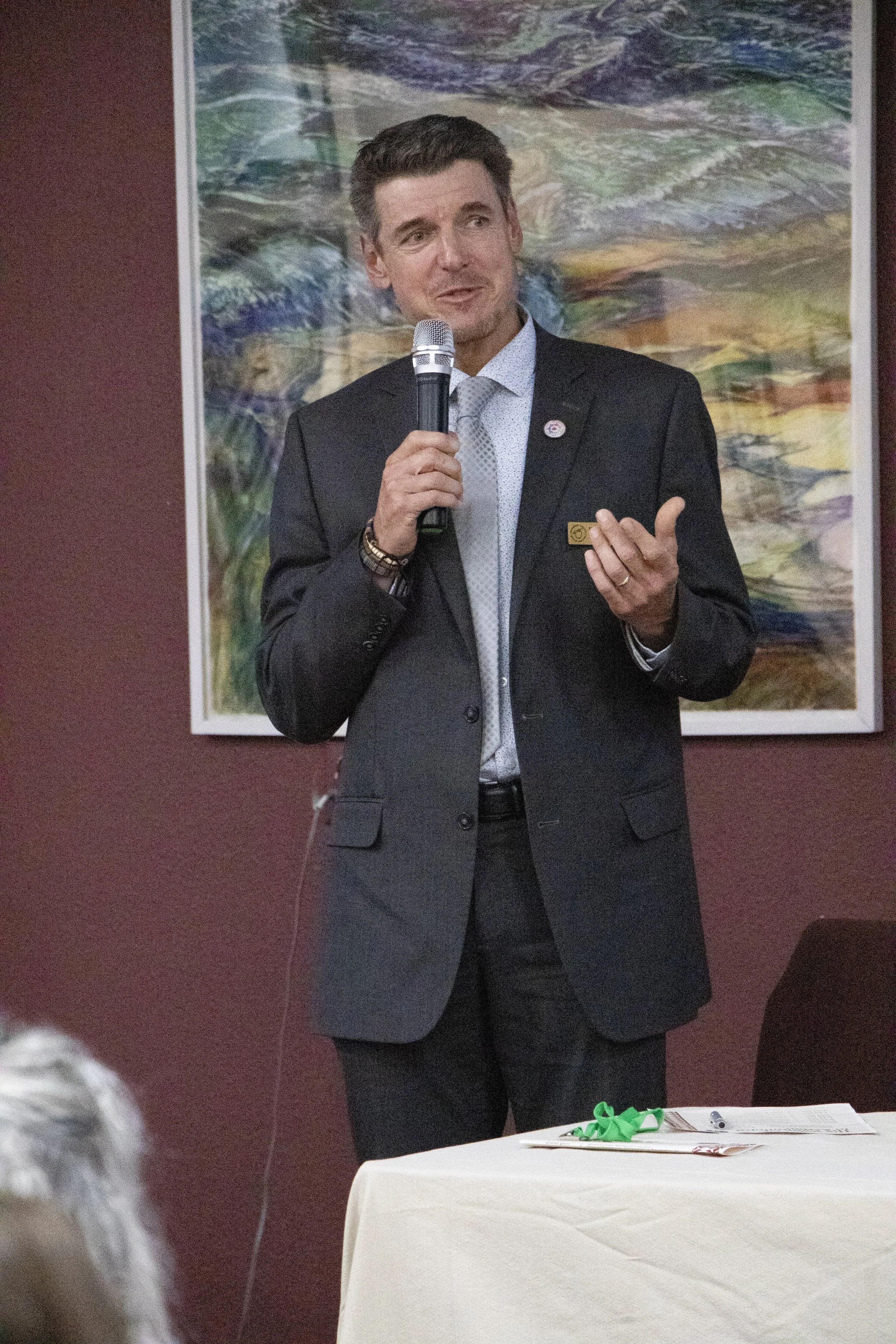
Carmen Elena L'Annunziata Monge, a True North Leader and Immigration Coordinator at the Jefferson Community Center, co-facilitated the night. She called the commitments the product of a lot of hard work, with more still ahead. "I don't feel like we should be relying on the redwood curtain to protect us," she said. "Just like any emergency or natural disaster, we need to be prepared."
Tony Giraud, a lay minister at Church of the Joyful Healer and a True North Leader, put the stakes in plain terms: "If somebody is treated poorly or unfairly, targeted, discriminated, it's up to all of us to stand up for that person and listen to their story."
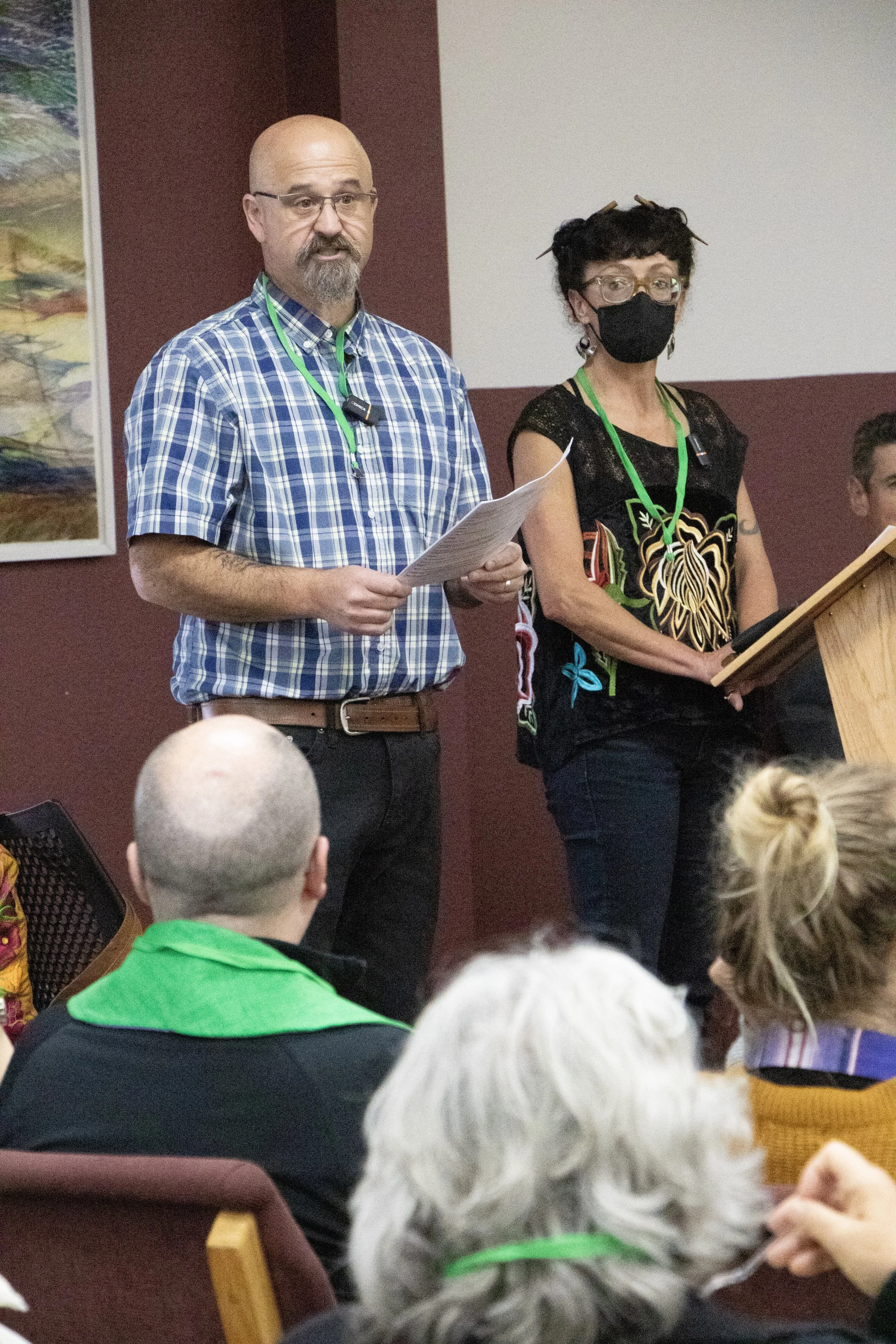
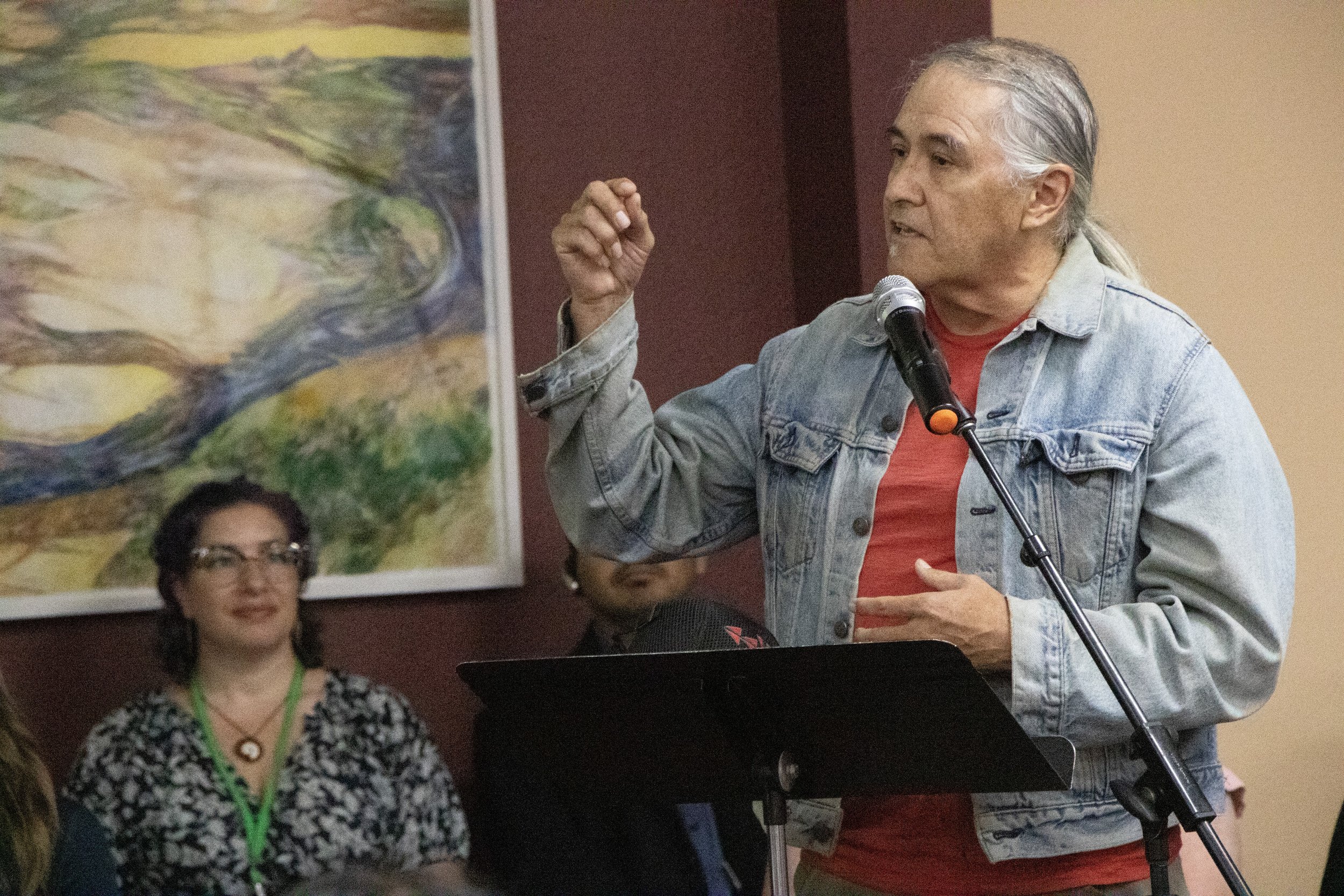
Terry Supahan, True North's executive director and a member of the Karuk Tribe, connected the night to the history of Native families and his own. His great-grandmother was taken by federal agents when she was twelve years old and sent to a boarding school. Speaking about immigration raids elsewhere in the country, he told the room, "I expect this community to make sure that doesn't happen up here." He added, "I think we all forget that in a difficult moment, we're going to be judged later for how we responded to the moment. We just need to remind everyone we can do better, we can be better, because obviously, it wasn't that long ago when things were really ugly."
The evening closed with everyone singing "Lean on Me" together, a reflection of the solidarity built through months of organizing.
Beyond the turnout and the public commitments, the most important outcome was the leadership that grew along the way. For the first time since the COVID pandemic, a True North Leader team carried an organizing effort through every stage on their own: listening, research, strategy, the public action, and evaluation. Leaders shaped the agenda, organized turnout, developed the questions, and secured the commitments. True North's role was to support that process, not lead it.
Now the team is following up with public officials, reflecting on what worked, and planning their next steps. That is the heart of True North's work: developing leaders and building relationships so communities can create meaningful change together.
Families looking to plan ahead can find resources through First 5 Humboldt.